In today’s fast-moving digital world, words often take on new meanings in texts, social media posts, gaming chats, and online conversations.
One word that confuses many people is “hedge.”
You may have seen someone say things like:
- “Stop hedging and tell me how you really feel.”
- “He hedged his answer.”
- “She’s hedging in the group chat again.”
But what exactly does hedge meaning refer to in texting and online slang?
This guide breaks down the meaning of “hedge” in simple language, explains where it came from, shows how people use it in modern conversations, and helps you avoid common misunderstandings.
Whether you spotted it on TikTok, Reddit, Discord, Instagram, or in a casual text conversation, this article will help you understand it clearly.
Updated for 2026, this guide includes modern examples, slang trends, and practical usage tips so you can confidently recognize and use the term online.
What Does “Hedge” Mean?
Basic Hedge Meaning
The word hedge usually means:
To avoid giving a direct answer or to protect yourself by speaking carefully.
In texting or chat culture, when someone is “hedging,” they are often:
- Being unsure
- Avoiding commitment
- Speaking vaguely
- Trying not to offend anyone
- Keeping their options open
Simple Example
Friend: “Did you like the movie?”
You: “I mean… it had some good parts.”
That response could be considered hedging because it avoids a clear yes or no answer.
Origin of the Word “Hedge”
The word originally comes from the literal meaning of a hedge — a row of bushes forming a boundary or protection.
Over time, English speakers started using “hedge” metaphorically to describe language that protects someone from sounding too direct or certain.
In communication, a hedge acts like verbal protection.
Common Hedge Words
People often use phrases like:
- “Maybe”
- “Kind of”
- “Probably”
- “I guess”
- “Sort of”
- “Technically”
- “Perhaps”
These are called hedging words because they soften statements.
Hedge Meaning in Texting
In texting culture, hedge meaning usually refers to someone avoiding a firm opinion, commitment, or response.
Why People Hedge in Messages
People hedge for many reasons:
- They don’t want conflict
- They’re nervous
- They want to sound polite
- They are uncertain
- They don’t want to hurt feelings
- They want flexibility
Texting lacks facial expressions and tone, so hedging helps conversations feel softer and less aggressive.
How to Use “Hedge” in Texts or Chat
Casual Usage
People often use “hedge” casually when describing someone’s communication style.
Examples
- “Why are you hedging so much?”
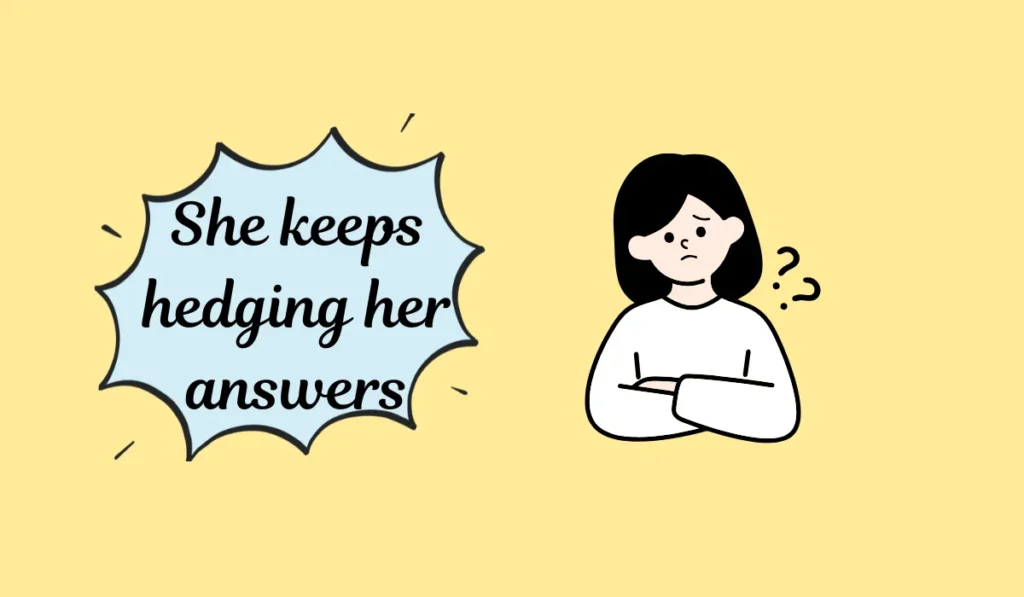
- “She keeps hedging her answers.”
- “Don’t hedge — just say yes or no.”
- “He hedged when I asked about the party.”
Social Media Usage
On social platforms, “hedging” can sometimes imply:
- Dodging accountability
- Being politically careful
- Avoiding drama
- Staying neutral
Example Tweet
“Celebrities always hedge when answering controversial questions.”
Gaming and Discord Chats
In gaming communities or Discord servers, “hedging” may mean someone is:
- Avoiding choosing sides
- Playing safe
- Not committing to a strategy
Example
“Bro stop hedging and pick a team already.”
Examples of Hedge Meaning in Conversations
Here are realistic and relatable examples showing how the word appears in everyday online conversations.
Example 1: Relationship Chat
Alex: “Do you actually like him?”
Jamie: “I mean… he’s nice.”
Jamie is hedging instead of giving a direct answer.
Example 2: School Conversation
Friend: “Are you ready for the exam?”
You: “Kind of, I guess.”
This is a classic hedged response.
Example 3: Gaming Chat
Player 1: “Should we attack now?”
Player 2: “Maybe we wait a bit.”
Player 2 is hedging because they’re uncertain.
Example 4: Workplace Messaging
Boss: “Can you finish this today?”
Employee: “I’ll try my best.”
This response softly avoids a guaranteed commitment.
Different Types of Hedging Online
1. Emotional Hedging
This happens when people protect their feelings.
Example
“I might like them… maybe.”
The person avoids emotional vulnerability.
2. Opinion Hedging
People soften opinions to avoid arguments online.
Example
“I could be wrong, but I think the old version was better.”
3. Commitment Hedging
Used when someone avoids fully committing to plans.
Example
“I’ll see if I can come.”
Why Hedging Is So Common in 2026 Online Culture
Modern internet communication encourages careful wording.
People today often fear:
- Online backlash
- Misunderstandings
- Screenshots going viral
- Cancel culture
- Arguments in comments
As a result, hedging language has become extremely common on:
- TikTok
- X
- Snapchat
- Discord
- YouTube comments
Many users intentionally soften opinions to avoid conflict.
Is Hedging Good or Bad?
Hedging Can Be Helpful
Sometimes hedging is smart because it:
- Sounds polite
- Prevents arguments
- Shows uncertainty honestly
- Protects feelings
- Makes conversations less aggressive
Example
Instead of saying:
“That idea is terrible.”
Someone may hedge with:
“I’m not sure that idea would work.”
Hedging Can Also Be Annoying
Too much hedging may make someone seem:
- Indecisive
- Unclear
- Dishonest
- Passive-aggressive
- Unconfident
Example
If someone constantly says:
- “Maybe”
- “I guess”
- “Sort of”
people may feel frustrated by unclear communication.
Common Hedge Words and Phrases
Here are some popular hedging expressions used online and in texts.
Popular Hedging Terms
- Maybe
- Probably
- Kind of
- Sort of
- Technically
- I guess
- Perhaps
- It depends
- Possibly
- In a way
Funny Modern Examples
TikTok Style
“Not me hedging every answer in an argument 😭”
Meme Style
“Me saying ‘maybe’ because I’m scared to commit.”
Group Chat Example
“She hedged so hard we still don’t know if she’s coming.”
Common Mistakes or Misunderstandings
Mistake 1: Thinking “Hedge” Means Lying
Hedging does not automatically mean lying.
Someone can hedge simply because they:
- Feel awkward
- Are uncertain
- Want to stay polite
Mistake 2: Confusing Hedge With Avoidance
Hedging and avoiding are similar, but not identical.
Hedging
Softening an answer.
Avoidance
Refusing to answer entirely.
Mistake 3: Assuming Hedging Is Always Negative
In professional communication, hedging is often considered polite and intelligent.
For example:
“The results suggest this could improve performance.”
This sounds more professional than making extreme claims.
Hedge Meaning in Different Contexts
In Business
“Hedging” can also mean reducing financial risk.
Example
“The company hedged against market losses.”
This is different from texting slang.
In Debate or Politics
Politicians often hedge to avoid controversy.
Example
“The senator hedged during the interview.”
In Everyday Chat
It usually means:
Speaking cautiously or indirectly.
Related Slangs and Abbreviations
If you’re learning modern internet language, here are related terms you may also encounter.
1. IMO
IMO = In My Opinion
Used to soften statements.
Example
“IMO the first season was better.”
2. NGL
NGL = Not Gonna Lie
Often used before giving honest opinions.
Example
“NGL, you’re hedging hard.”
3. TBH
TBH = To Be Honest
Used to sound direct or sincere.
Example
“TBH I think you already know the answer.”
4. Lowkey
Means subtle, quiet, or partially true.
Example
“I lowkey agree with you.”
This can also function as hedging language.
5. IYKYK
If You Know, You Know
Used in inside-joke culture online.
How to Use Hedge Correctly
Best Situations for Hedging
Use hedging when:
- You’re uncertain
- You want to sound polite
- You’re discussing sensitive topics
- You don’t want conflict
- You’re giving feedback carefully
When Not to Hedge
Avoid excessive hedging when:
- Giving important instructions
- Making decisions
- Setting boundaries
- Communicating professionally with clarity
Bad Example
“Maybe try submitting the report sometime soon.”
Better Example
“Please submit the report by 5 PM.”
Real-Life Online Scenarios
Scenario 1: Dating Apps
People often hedge to avoid seeming too eager.
Example
“We should maybe hang out sometime.”
Scenario 2: TikTok Comments
Creators hedge opinions to avoid backlash.
Example
“I could be wrong but this trend feels outdated.”
Scenario 3: Reddit Discussions
Reddit users frequently hedge before controversial opinions.
Example
“Not trying to offend anyone, but…”
SEO Insight: Why People Search “Hedge Meaning”
Many users search hedge meaning because they:
- Saw it in a text message
- Heard it in a podcast
- Read it in online arguments
- Encountered it in social media comments
- Want to understand modern communication styles
The term has become increasingly popular because internet conversations rely heavily on tone and implied meaning.
Internal Linking Suggestions
If you run a slang or texting meanings website, you can internally link this article to:
- “NGL Meaning”
- “TBH Meaning”
- “IMO Meaning”
- “Lowkey Meaning”
- “Bet Meaning in Text”
- “NPC Meaning”
- “Delulu Meaning”
These related slang articles help improve SEO and user engagement.
FAQs About Hedge Meaning
What does hedge mean in texting?
In texting, hedge means speaking indirectly or avoiding a firm answer.
Is hedging the same as lying?
No. Hedging usually means softening language, not necessarily being dishonest.
Why do people hedge online?
People hedge to avoid conflict, sound polite, or express uncertainty.
What are examples of hedging words?
Common examples include:
- Maybe
- Probably
- Kind of
- I guess
- Sort of
Is hedging bad in conversations?
Not always. Moderate hedging can sound polite and thoughtful, but too much may seem unclear.
What does “hedging your bets” mean?
It means protecting yourself by keeping multiple options open.
Is hedge a slang word?
Not exactly. It’s a normal English word that gained popular use in internet and texting culture.
Where is hedge commonly used online?
You’ll often see it on:
- TikTok
- Discord
- X
- YouTube comments
Conclusion
Understanding hedge meaning is important because modern online communication depends heavily on tone, subtle wording, and social awareness.
Whether someone is trying to sound polite, avoid conflict, or stay emotionally safe, hedging has become a huge part of texting and internet culture.
In simple terms, hedging means softening your words or avoiding overly direct statements.
It can help conversations feel smoother, but excessive hedging may also create confusion or frustration.
As online slang and communication continue evolving in 2026, understanding terms like “hedge” helps you better navigate social media, chats, gaming conversations, and real-life texting situations.