Understanding modern texting language is more important than ever in 2026, especially as online conversations become faster, shorter, and more symbolic.
One of the most commonly used yet often overlooked words in digital communication is “is”.
At first glance, it may seem too simple to explain—but in texting culture, even basic words like “is meaning” in chat can change tone, clarity, and interpretation.
Whether you’re reading a DM, a TikTok comment, or a Discord message, understanding how “is” functions in modern communication helps avoid confusion and improves your digital fluency.
In this guide, we break down everything you need to know about IS meaning in texting, how it’s used, common mistakes, and real-life examples.
What Does “IS” Mean in Text? (Definition & Origin)
In its simplest form, “is” is a verb in English grammar. It comes from the verb “to be” and is used to describe a state, condition, or identity.
Basic Definition of “IS”
- Used to describe something in the present tense
- Connects a subject to additional information
- Common in everyday speech and writing
Example in normal language:
- “She is happy.”
- “This is my phone.”
- “He is online right now.”
So what is “IS meaning” in texting?
In texting and online chat culture, “is” doesn’t have slang meaning on its own. Instead, its importance comes from:
- How it changes tone in short messages
- How it creates emphasis in incomplete sentences
- How it is used in abbreviations or broken sentences for speed
👉 In short, “is” is not slang—it is a functional grammar word used heavily in digital communication.
Why “IS” Matters in Chat and Online Conversations
Even though it’s a simple word, “is” plays a major role in how messages are understood online.
1. Speed of Communication
People often shorten messages for faster typing:
- “She is coming” → “She’s coming”
- “It is done” → “It’s done”
However, many users still type “is” directly in casual chats.
2. Emotional Tone
The placement of “is” can change tone:
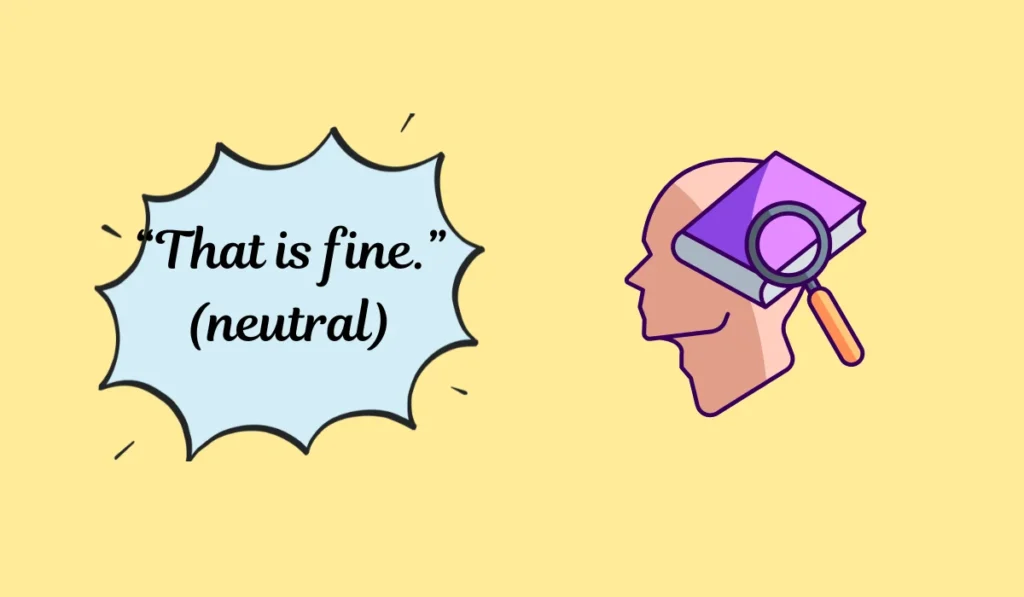
- “That is fine.” (neutral)
- “That is fine.” (can sound passive-aggressive)
3. Clarity in Short Messages
In platforms like:
- Instagram DMs
- Snapchat
- Discord
- TikTok comments
Even small words like “is” help maintain meaning in broken sentences.
How to Use “IS” in Texts or Chat Correctly
Using “is meaning in chat” properly is all about grammar and clarity, not slang interpretation.
Common Usage Patterns
1. Describing a Situation
- “The game is starting soon.”
- “She is at work.”
2. Emphasizing a Point
- “That is exactly what I mean.”
- “This is not what I expected.”
3. Casual Short Replies
In fast texting environments:
- “He is?” (surprise or confusion)
- “That is crazy lol”
Modern 2026 Chat Style Examples
Here’s how people commonly use it today:
- “He is actually insane at this game 💀”
- “This is so relatable”
- “That is literally me every Monday”
- “She is not replying again…”
Even in meme culture, “is” helps structure reactions and emotional expressions.
Examples of “IS” in Real Conversations
Let’s look at real-world chat scenarios to understand IS meaning in texting better.
Example 1: Friendly Chat
A: “Where is John?”
B: “He is at the gym.”
Example 2: Social Media Comment
User 1: “This movie is underrated.”
User 2: “It is actually so good 🔥”
Example 3: Gaming Chat
Player 1: “Enemy is behind you!”
Player 2: “Got him.”
Example 4: Emotional Context
A: “She is ignoring me again.”
B: “That is rough…”
Common Mistakes or Misunderstandings
Many people misunderstand “is meaning” in chat because they assume it has slang value. It doesn’t.
Mistake 1: Thinking “IS” is an abbreviation
❌ Wrong assumption: “IS = internet slang”
✔ Correct: It is just standard English grammar
Mistake 2: Overanalyzing simple sentences
Example:
- “He is fine.”
Some think it has hidden meaning, but it usually just means:
✔ He is okay / healthy / normal
Mistake 3: Confusing tone in texts
Depending on context:
- “That is fine.” → may sound cold
- “That’s fine :)” → sounds friendly
Related Slangs or Abbreviations
While “is” itself is not slang, it often appears alongside modern texting abbreviations.
Common related expressions:
- “It’s” → contraction of “it is”
- “She’s / He’s” → shortened forms of “she is / he is”
- “fr” → for real
- “lol” → laugh out loud
- “idk” → I don’t know
- “ngl” → not gonna lie
How they connect with “is”:
- “This is fire fr 🔥”
- “He’s not coming ngl”
These combinations shape how modern digital conversations flow in 2026.
Why Understanding “IS Meaning” Helps in 2026 Communication
Digital communication is evolving rapidly. Even simple grammar words like “is” are important for:
- Understanding tone in messages
- Avoiding misinterpretation
- Improving writing clarity
- Communicating naturally on social media
In 2026, where AI chat, voice messages, and short-form content dominate, clarity matters more than ever.
SEO Insight: Why People Search “IS Meaning”
Users often search “is meaning” because:
- They want grammar explanations
- They are learning English
- They are confused by sentence structure in chats
- They think it might be slang
This makes the keyword highly valuable for:
- English learners
- Social media users
- Teen and Gen Z audiences
- Content creators writing captions
FAQs About “IS Meaning” in Texting
1. What does “is” mean in chat slang?
It has no slang meaning—it is simply a verb used in present tense sentences.
2. Is “is” an abbreviation?
No, it is not an abbreviation. It is a full English word.
3. Why do people use “is” in short messages?
To describe actions or states clearly in real-time conversations.
4. Is “is” used differently on social media?
No, but it may appear in shorter or more emotional sentences.
5. Can “is” change the tone of a message?
Yes, depending on punctuation and context, it can sound neutral, serious, or emotional.
6. What is the difference between “is” and “it’s”?
“Is” is a standalone verb, while “it’s” is a contraction of “it is.”
7. Why do people search “is meaning”?
Because they are trying to understand grammar or misinterpreting it as slang.
8. Is “is” still commonly used in 2026 texting?
Yes, it remains a fundamental part of everyday digital communication.
Conclusion
The phrase “IS meaning in texting” may seem simple, but it highlights an important part of digital communication: even the smallest words shape how we understand messages.
While “is” is not slang, it plays a crucial role in expressing clarity, emotion, and structure in chats across social media platforms.
In 2026, as communication becomes faster and more condensed, understanding basic grammar like this helps avoid confusion and improves how we interact online.