In today’s digital world, people often come across unfamiliar words, abbreviations, and educational terms in texts, emails, social media posts, workplaces, and academic discussions.
One such commonly used term is assessment.
Understanding the assessment meaning is important because the word appears in schools, universities, workplaces, job interviews, performance reviews, healthcare settings, and even online learning platforms.
While it is not internet slang or a texting abbreviation, it is a frequently used term that many people encounter in daily communication.
Updated for 2026, this guide explains everything you need to know about assessment, including its definition, origin, practical uses, examples, common mistakes, and related terms.
What Does Assessment Mean? (Definition & Origin)
Definition of Assessment
An assessment is the process of evaluating, measuring, or judging someone’s knowledge, skills, performance, condition, or progress.
In simple terms:
Assessment means examining something carefully to understand its quality, value, ability, or effectiveness.
The assessment can be formal or informal depending on the situation.
Examples:
- A teacher gives students a test to assess learning.
- A company evaluates employee performance through assessments.
- A doctor conducts assessments to understand a patient’s health condition.
Origin of the Word Assessment
The word assessment comes from the verb assess, which originates from the Latin word assidere, meaning “to sit beside” or “to assist in judgment.”
Over time, the term evolved to mean:
- Evaluating
- Estimating
- Determining value
- Measuring performance
Today, assessment is widely used in education, business, healthcare, finance, and technology.
Different Types of Assessments
The meaning of assessment can vary depending on the context.
Educational Assessment
Used in schools and universities to measure student learning.
Examples:
- Quizzes
- Exams
- Assignments
- Presentations
- Projects
Example:
“Students will complete a final assessment at the end of the semester.”
Workplace Assessment
Employers use assessments to evaluate employees or job applicants.
Examples:
- Skill tests
- Aptitude tests
- Performance reviews
- Personality assessments
Example:
“Candidates must pass an assessment before receiving a job offer.”
Healthcare Assessment
Medical professionals perform assessments to evaluate a person’s health.
Examples:
- Mental health assessments
- Physical examinations
- Risk assessments
Example:
“The nurse completed a health assessment during the appointment.”
Financial Assessment
Used to determine financial status, taxes, or risks.
Example:
“The bank conducted a financial assessment before approving the loan.”
How to Use Assessment in Texts or Chat
Although assessment is more formal than internet slang, people frequently use it in messages, emails, and online conversations.
Common Chat Usage
Examples:
- “I have an assessment tomorrow.”
- “The manager completed my performance assessment.”
- “Did you finish the online assessment?”
- “My driving assessment went really well.”
Social Media Usage
You may see posts such as:
- “Studying all night for tomorrow’s assessment.”
- “Finally passed my skills assessment!”
- “Assessment week is stressful 😭”
Workplace Messages
Examples:
Employee:
“I received the assessment report today.”
Manager:
“We’ll discuss the assessment results during the meeting.”
Examples of Assessment in Conversations
Understanding the term becomes easier when you see it used naturally.
Example 1: School Conversation
Sarah: Have you prepared for tomorrow’s assessment?
Tom: Not yet. I’m reviewing my notes tonight.
Sarah: Good idea. The assessment covers three chapters.
Example 2: Workplace Conversation
Manager: Your annual assessment has been completed.
Employee: Great. Can we discuss the feedback?
Manager: Absolutely.
Example 3: Job Application
Recruiter: The next step is an online assessment.
Applicant: How long will it take?
Recruiter: Around 45 minutes.
Example 4: Healthcare Setting
Doctor: We need a full assessment of your symptoms.
Patient: What does that involve?
Doctor: We’ll conduct a few tests and evaluations.
Why Assessments Are Important
Assessments help individuals and organizations make informed decisions.
Key Benefits
- Measure progress accurately
- Identify strengths and weaknesses
- Improve performance
- Support decision-making
- Track learning outcomes
- Ensure quality standards
For example:
A student assessment helps teachers identify learning gaps.
An employee assessment helps managers support career growth.
A medical assessment helps doctors create appropriate treatment plans.
Common Mistakes or Misunderstandings About Assessment
Many people misunderstand the term assessment.
Mistake #1: Thinking Assessment Means Only Exams
Many students believe assessments are only tests.
Reality:
Assessments can include:
- Projects
- Presentations
- Interviews
- Observations
- Practical activities
Mistake #2: Assuming Assessments Are Always Formal
Not all assessments involve paperwork or official evaluations.
Example:
A coach observing a player’s performance is conducting an informal assessment.
Mistake #3: Confusing Assessment with Evaluation
Although similar, they are slightly different.
Assessment:
Focuses on gathering information.
Evaluation:
Focuses on making judgments based on that information.
Example:
- Assessment collects test scores.
- Evaluation determines whether performance was satisfactory.
Mistake #4: Believing Assessments Are Only for Students
Assessments occur throughout life.
Examples:
- Employee assessments
- Driver assessments
- Health assessments
- Financial assessments
- Risk assessments
Assessment Meaning in Education
Educational assessments are among the most common uses of the term.
Formative Assessment
Conducted during learning.
Purpose:
- Monitor progress
- Identify learning gaps
- Improve understanding
Examples:
- Classroom quizzes
- Homework assignments
- Group discussions
Summative Assessment
Conducted after learning.
Purpose:
- Measure achievement
- Assign grades
Examples:
- Final exams
- Standardized tests
- End-of-course projects
Assessment Meaning in the Workplace
Businesses rely heavily on assessments.
Employee Assessments
Used to:
- Measure performance
- Set goals
- Identify training needs
Recruitment Assessments
Used to:
- Evaluate applicants
- Measure job-related skills
- Compare candidates fairly
Examples include:
- Cognitive tests
- Personality assessments
- Technical assessments
Assessment Meaning on Social Media
The term appears frequently on platforms like:
- TikTok
- X
Examples:
- “Finished my assessment and finally relaxing!”
- “Anyone else stressed about assessment week?”
- “Passed my coding assessment today 🎉”
These posts usually refer to:
- School exams
- Work evaluations
- Professional certifications
- Online course assessments
Related Terms and Similar Words
If you’re researching assessment meaning, you may also encounter related terms.
Common Synonyms
- Evaluation
- Appraisal
- Review
- Examination
- Analysis
- Audit
- Measurement
- Judgment
Related Educational Terms
- Quiz
- Test
- Assignment
- Examination
- Coursework
- Certification
Related Workplace Terms
- Performance review
- Employee evaluation
- Skills test
- Competency review
When Should You Use the Word Assessment?
Use the word assessment when discussing:
Learning
Example:
“The assessment measured students’ understanding.”
Work Performance
Example:
“The assessment highlighted areas for improvement.”
Healthcare
Example:
“A mental health assessment was conducted.”
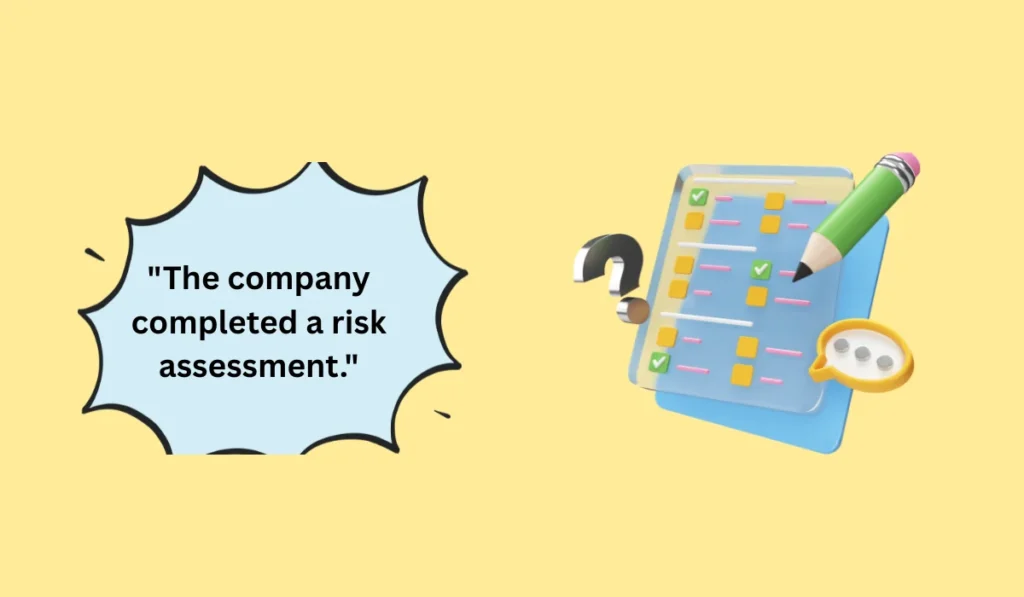
Risk Analysis
Example:
“The company completed a risk assessment.”
Real-Life Scenario: Why Understanding Assessment Matters
Imagine receiving an email that says:
“Please complete the assessment before Friday.”
Without understanding the term, you might feel confused.
However, knowing the assessment meaning tells you that someone wants to evaluate your knowledge, skills, performance, or condition.
This understanding can help you:
- Prepare appropriately
- Respond professionally
- Meet expectations
- Improve results
Quick Summary of Assessment Meaning
Assessment means:
- Evaluating something
- Measuring performance
- Determining progress
- Identifying strengths and weaknesses
- Gathering information for decision-making
Common contexts include:
- Education
- Employment
- Healthcare
- Finance
- Professional development
FAQs About Assessment Meaning
1. What is the simple meaning of assessment?
Assessment is the process of evaluating or measuring someone’s knowledge, skills, performance, or condition.
2. Is assessment the same as a test?
No. A test is one type of assessment, but assessments can also include projects, interviews, observations, and presentations.
3. Why are assessments important?
They help measure progress, identify weaknesses, and support better decisions.
4. What is an assessment in school?
It is a method used to evaluate student learning and academic performance.
5. What is a workplace assessment?
A workplace assessment evaluates employee skills, productivity, or job performance.
6. Is assessment a formal process?
Not always. Assessments can be formal or informal depending on the situation.
7. What is a health assessment?
A health assessment evaluates a person’s physical or mental condition.
8. What is the difference between assessment and evaluation?
Assessment gathers information, while evaluation uses that information to make judgments or decisions.
Conclusion
Understanding the assessment meaning is valuable because the term appears in education, workplaces, healthcare settings, financial services, and everyday communication.
At its core, assessment refers to the process of measuring, evaluating, or reviewing something to understand its quality, performance, or progress.
Whether you’re preparing for a school assessment, completing a job application assessment, or reviewing a health assessment, knowing exactly what the term means helps you navigate these situations with confidence.