Have you ever seen someone mention “doo wop” and wondered what it means?
Maybe you spotted it in a song title, social media caption, or online discussion and weren’t sure if it was slang, a music genre, or something else entirely.
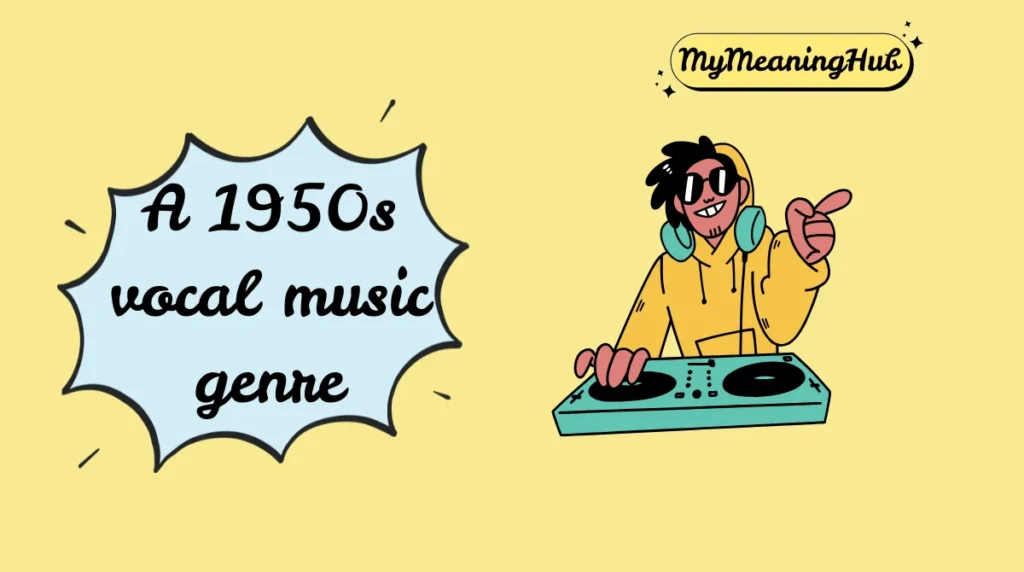
The short answer: “Doo wop” is a style of vocal music that became popular in the 1940s and 1950s.
It is not a texting abbreviation like LOL or BRB, but people still use the term online to describe nostalgic music, retro vibes, and old-school romance.
In this updated 2026 guide, you’ll learn:
- The exact doo wop meaning
- Where the term comes from
- How people use it in conversations and online chats
- Examples from music and social media
- Related terms and expressions
If you love understanding words and phrases used online, this guide will help you use doo wop correctly and confidently.
What Does Doo Wop Mean?
Doo wop refers to a genre of rhythm and blues music known for:
- Smooth vocal harmonies
- Nonsense syllables like “doo wop,” “shoo bop,” and “ramalama”
- Romantic lyrics
- Minimal instrumental backing
Simple Definition
Doo wop meaning: A classic vocal music style where singers use harmony and made-up sounds to create catchy melodies.
The phrase itself comes from the repeated sounds singers used in songs.
Quick Meaning Snapshot
| Term | Meaning |
|---|---|
| Doo wop | A 1950s vocal music genre |
| Literal meaning | Nonsense syllables used in songs |
| Modern use | Refers to retro, romantic, old-school vibes |
Origin of the Term “Doo Wop”
Although the music style existed before the term became popular, “doo wop” was coined later to describe the repetitive sounds in these songs.
The genre developed in African American communities in cities like:
- New York City
- Philadelphia
- Chicago
- Baltimore
Young singers often performed on street corners, using only their voices to create rich harmonies.
Why It’s Called Doo Wop
Many songs featured sounds like:
- Doo-wop
- Shoo-bop
- Dip-dip-dip
- Rama-lama-ding-dong
These catchy vocal sounds gave the genre its memorable name.
Is Doo Wop a Texting Slang Term?
No, doo wop is not a chat abbreviation or acronym.
Unlike terms such as:
- LOL = Laugh Out Loud
- BRB = Be Right Back
- IMO = In My Opinion
“Doo wop” is a cultural term related to music.
However, people may use it casually online to describe:
- Vintage music
- Romantic oldies
- 1950s aesthetics
- Nostalgic moods
How to Use Doo Wop in Texts or Chat
People use the phrase in a few common ways.
1. Talking About Music
Example:
“My grandpa loves doo wop.”
2. Describing a Retro Mood
Example:
“This café has a total doo wop vibe.”
3. Referring to Old-School Romance
Example:
“Their love story feels like a doo wop song.”
4. Social Media Captions
Example:
“Leather jackets, milkshakes, and doo wop all night.”
Examples of Doo Wop in Conversations
Casual Chat Example
Friend 1: What kind of music is this?
Friend 2: It’s doo wop—super old-school and romantic.
Text Message Example
Alex: This playlist sounds like the 1950s.
Sam: Yep, lots of doo wop classics.
Instagram Caption
“Feeling like I stepped into a doo wop dream.”
Funny Example
“My shower singing starts as pop and somehow turns into doo wop.”
Famous Doo Wop Songs and Artists
Some legendary doo wop tracks still get played today.
Popular Songs
- Earth Angel
- In the Still of the Night
- Why Do Fools Fall in Love
- Sh-Boom
Influential Artists
- The Platters
- Frankie Lymon
- The Drifters
- Dion and the Belmonts
These artists helped define the sound of teenage romance and vocal harmony.
Why Do People Still Talk About Doo Wop?
Even in 2026, doo wop remains popular because it represents:
- Timeless love songs
- Strong vocal talent
- Nostalgia
- Simpler musical arrangements
You’ll still hear doo wop influences in movies, commercials, and playlists featuring oldies.
Personally, there’s something charming about music that can create so much emotion with just voices and harmony.
Doo Wop Meaning on Social Media
On platforms like:
- TikTok
- YouTube
- Spotify
People use “doo wop” to tag:
- Retro playlists
- Vintage dance videos
- Old-school fashion edits
- Romantic throwback content
Example Caption
“Serving major doo wop energy tonight.”
Common Mistakes or Misunderstandings
Mistake 1: Thinking It’s an Acronym
“Doo wop” does not stand for anything.
Mistake 2: Assuming It’s Modern Slang
It’s a historical music term, though it is still used today.
Mistake 3: Using It for Any Old Song
Not every old song is doo wop. The key feature is vocal harmony with rhythmic syllables.
Related Slangs and Music Terms
If you’re exploring nostalgic terms, you may also come across:
- Oldies
- Rock and roll
- Rhythm and blues (R&B)
- Sock hop
- Jukebox
- Retro
- Vintage vibes
Internal Linking Ideas
You could link this article to related content such as:
- Oldies meaning
- Retro meaning in slang
- Vibe meaning in text
- Throwback meaning
- Rizz meaning
Difference Between Doo Wop and Modern Pop
| Feature | Doo Wop | Modern Pop |
|---|---|---|
| Main focus | Vocal harmonies | Production and beats |
| Instruments | Minimal | Heavy digital production |
| Themes | Love and romance | Wide variety |
| Sound | Smooth and nostalgic | Polished and contemporary |
How to Recognize a Doo Wop Song
Listen for these signs:
- Multiple singers harmonizing.
- Repeated syllables like “doo wop” or “shoo bop.”
- Romantic lyrics.
- A warm 1950s feel.
- Limited instrumental backing.
If a song makes you imagine streetlights, leather jackets, and slow dancing, it may be doo wop.
Real-Life Usage Scenarios
At a Diner
“This place feels like a doo wop movie set.”
Playlist Discussion
“Add more doo wop songs for the road trip.”
Fashion Comment
“Your outfit has serious doo wop vibes.”
Romantic Compliment
“You make life feel like a doo wop love song.”
Doo Wop Meaning in Pop Culture
Doo wop has influenced countless films and TV shows set in the 1950s and 1960s.
You’ll hear it in nostalgic productions like American Graffiti and in many retro-themed soundtracks.
The style continues to inspire artists who want to recreate vintage romance and classic harmony.
SEO Summary: Doo Wop Meaning at a Glance
- Meaning: A classic vocal harmony music genre.
- Origin: 1940s–1950s United States.
- Not an acronym: The phrase imitates vocal sounds.
- Modern use: Describes retro music and nostalgic vibes.
- Common contexts: Music discussions, captions, and pop culture references.
Frequently Asked Questions (FAQs)
What does doo wop mean?
Doo wop is a vocal music genre featuring harmonies and made-up syllables like “doo wop.”
Is doo wop a texting abbreviation?
No. It is a music term, not an acronym or text abbreviation.
Where did doo wop originate?
It originated in African American communities in the United States during the 1940s and 1950s.
Why is it called doo wop?
The name comes from the repeated nonsense syllables sung in many songs.
Can I use doo wop to describe a vibe?
Yes. People often use it to describe retro, romantic, or vintage aesthetics.
What are famous doo wop songs?
“Earth Angel,” “Sh-Boom,” and “In the Still of the Night.”
Is doo wop still popular?
Yes. It remains beloved among fans of classic oldies and nostalgic music.
Does doo wop influence modern music?
Absolutely. Many artists borrow its harmonies and romantic feel.
Conclusion
So, what is the doo wop meaning?
Simply put, doo wop is a classic vocal music style known for smooth harmonies, romantic lyrics, and catchy syllables like “doo wop” and “shoo bop.”
While it isn’t a texting abbreviation, it’s still widely used online to describe vintage music and nostalgic vibes.
Understanding terms like doo wop helps you appreciate the cultural references you see in songs, social media captions, and conversations.
Updated for 2026, this timeless term continues to symbolize old-school charm and musical magic.
Share your favorite text abbreviation or classic music term in the comments!