Have you ever seen the word “reinforce” in a text message, social media post, workplace chat, or online discussion and wondered what it actually means?
While it isn’t a modern internet abbreviation like “LOL” or “IMO,” the word reinforce is commonly used in texting, online communication, education, business conversations, and everyday language.
Understanding the reinforce meaning can help you communicate more effectively, especially when discussing ideas, habits, opinions, learning, motivation, or support. In many situations, reinforce is used to show that something is being strengthened, supported, encouraged, or made stronger.
In this guide, you’ll learn exactly what reinforce means, where it comes from, how people use it in texts and chats, common misunderstandings, practical examples, related terms, and much more.
What Does Reinforce Mean?
The word reinforce means:
To strengthen, support, encourage, or make something stronger.
When someone reinforces an idea, behavior, belief, or structure, they are helping it become stronger or more effective.
Simple Definition
Reinforce = Strengthen or support something.
The word can be used in many contexts:
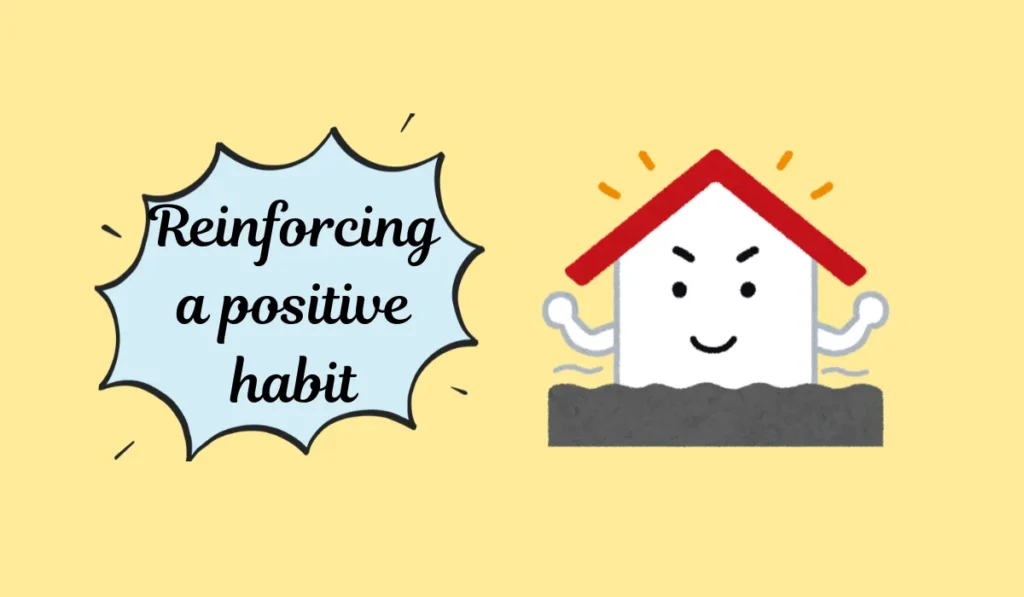
- Reinforcing a positive habit
- Reinforcing a lesson
- Reinforcing a friendship
- Reinforcing a building
- Reinforcing someone’s confidence
Origin of the Word Reinforce
The word comes from Old French and Latin roots that relate to adding strength or force.
Historically, it was often used in military contexts to describe sending additional troops to strengthen an army.
Today, its meaning has expanded and is widely used in:
- Text messages
- Social media
- Education
- Psychology
- Business communication
- Self-improvement discussions
- Online forums
Reinforce Meaning in Texting and Online Chats
In texting and digital communication, reinforce usually means:
- Supporting someone’s opinion
- Encouraging positive behavior
- Confirming an idea
- Strengthening a point being made
Example
Friend: “I think exercising every morning improves my mood.”
You: “Research definitely reinforces that idea.”
Meaning:
You are saying that research supports or strengthens the claim.
Another Example
Text Message:
“I just wanted to reinforce how proud I am of your progress.”
Meaning:
The sender wants to strengthen or emphasize their support.
How to Use Reinforce in Texts or Chat
Many people use reinforce naturally without even realizing it.
1. Reinforcing Positive Behavior
This is common among parents, teachers, coaches, and managers.
Example:
“Make sure to reinforce good habits every day.”
Meaning:
Encourage and strengthen positive habits.
2. Reinforcing an Opinion
When you agree with someone and provide additional support.
Example:
“That article reinforces your argument.”
Meaning:
The article strengthens the argument.
3. Reinforcing Motivation
People often use reinforce when motivating others.
Example:
“I just wanted to reinforce that you’re doing great.”
Meaning:
You are emphasizing encouragement.
4. Reinforcing Learning
Teachers use this frequently.
Example:
“Practice helps reinforce what you learned in class.”
Meaning:
Practice strengthens understanding.
Examples of Reinforce in Conversations
Here are realistic examples showing how reinforce is used in everyday communication.
Example 1: Social Media
User 1: “Consistency is the key to success.”
User 2: “My experience definitely reinforces that.”
Meaning:
Their experience supports the statement.
Example 2: Workplace Chat
Manager:
“I want to reinforce the importance of meeting deadlines.”
Meaning:
The manager is emphasizing or strengthening the message.
Example 3: School Discussion
Teacher:
“We’ll review today’s lesson again to reinforce the concepts.”
Meaning:
The review will strengthen students’ understanding.
Example 4: Friendship
Friend:
“Thanks for always reinforcing my confidence.”
Meaning:
You help strengthen their self-belief.
Example 5: Online Forum
Comment:
“The new study reinforces previous findings.”
Meaning:
The study supports earlier research.
Funny and Relatable Uses of Reinforce
The word often appears in humorous conversations too.
Example
Friend:
“I’m on a diet.”
Other Friend:
“Your midnight pizza order doesn’t reinforce that claim.”
😂
Meaning:
The pizza order weakens, rather than supports, the statement.
Example
Person:
“I’m trying to save money.”
Friend:
“Buying five gaming accessories doesn’t reinforce your budget goals.”
Meaning:
Their actions don’t support their goal.
These playful examples make the word easier to remember.
Common Situations Where Reinforce Is Used
You’ll often see reinforce in:
Social Media
- Instagram captions
- Facebook posts
- LinkedIn updates
- X/Twitter discussions
Education
- Homework
- Learning techniques
- Teaching strategies
Business
- Employee training
- Leadership communication
- Team meetings
Psychology
- Positive reinforcement
- Behavior development
- Motivation techniques
Personal Development
- Goal setting
- Habit building
- Confidence growth
Common Mistakes and Misunderstandings
Many people misuse reinforce because they confuse it with similar words.
Mistake 1: Using Reinforce as a Synonym for Repeat
Not every repetition is reinforcement.
Incorrect Thinking:
“Repeating something automatically reinforces it.”
Not always.
Reinforcement requires strengthening or supporting the idea.
Mistake 2: Confusing Reinforce with Force
Some people think reinforce means forcing someone to do something.
This is incorrect.
Reinforce = Support or strengthen.
Force = Compel someone to act.
They have different meanings.
Mistake 3: Assuming It Only Applies to Physical Objects
Many people think reinforcement only relates to buildings or structures.
Actually, reinforce is commonly used for:
- Habits
- Ideas
- Emotions
- Skills
- Beliefs
- Relationships
Reinforce Meaning in Psychology
One of the most popular uses of reinforce appears in psychology.
Positive Reinforcement
Positive reinforcement means rewarding behavior to encourage it.
Example:
A child receives praise for completing homework.
The praise reinforces the behavior.
Negative Reinforcement
Negative reinforcement involves removing something unpleasant to encourage behavior.
Example:
Completing tasks early reduces stress.
The reduced stress reinforces productivity.
This psychological usage has become very common in online discussions and self-improvement communities.
Reinforce Meaning in Business and Professional Communication
Professionals use reinforce frequently.
Examples
- Reinforce company values
- Reinforce customer trust
- Reinforce workplace policies
- Reinforce training programs
Example:
“We need to reinforce our commitment to customer satisfaction.”
Meaning:
The company wants to strengthen its focus on customer service.
Reinforce Meaning on Social Media
On social platforms, reinforce often appears when people:
- Support opinions
- Share evidence
- Encourage others
- Strengthen arguments
Example Posts
“This experience reinforced my belief that consistency matters.”
“The latest statistics reinforce the trend we’re seeing.”
“Your message really reinforced my confidence today.”
These examples are increasingly common in 2026 online conversations.
Related Words and Synonyms of Reinforce
Understanding related terms helps expand your vocabulary.
Common Synonyms
- Strengthen
- Support
- Encourage
- Bolster
- Confirm
- Back up
- Fortify
- Validate
- Promote
- Enhance
Example
“The results reinforce the theory.”
Could also be written as:
“The results support the theory.”
Related Slang and Internet Terms
While reinforce isn’t slang itself, these related terms often appear in online conversations:
Facts
Used when agreeing strongly with a statement.
Example:
“Consistency beats motivation.”
Reply:
“Facts.”
Valid
Used to show support.
Example:
“Your opinion is valid.”
Based
Popular slang meaning someone’s opinion is respected or supported.
Example:
“That’s a based take.”
W
Internet slang for a win or positive outcome.
Example:
“Helping your friends succeed is a W.”
How to Use Reinforce Correctly
If you’re unsure when to use reinforce, remember this simple rule:
Use Reinforce When Something Makes Another Thing Stronger
Ask yourself:
Does this support, strengthen, encourage, or confirm something?
If yes, reinforce is likely the right word.
Quick Formula
Reinforce + Idea
Example:
“The evidence reinforces the idea.”
Reinforce + Habit
Example:
“Daily practice reinforces the habit.”
Reinforce + Confidence
Example:
“Positive feedback reinforces confidence.”
Why Understanding Reinforce Matters
Learning the reinforce meaning improves communication because the word appears in:
- Text messages
- Workplace emails
- School assignments
- Social media discussions
- Self-help content
- Online communities
Knowing how it’s used helps you better understand conversations and express ideas more clearly.
FAQs About Reinforce Meaning
1. What does reinforce mean in simple words?
Reinforce means to strengthen, support, encourage, or make something stronger.
2. Is reinforce a slang word?
No. Reinforce is a standard English word, not internet slang.
3. How is reinforce used in texting?
People use it to support opinions, encourage others, or strengthen a point being discussed.
4. What is an example of reinforce in a sentence?
“Daily practice reinforces your skills.”
5. What is positive reinforcement?
Positive reinforcement is rewarding behavior to encourage it to happen again.
6. Can reinforce be used for emotions?
Yes. You can reinforce confidence, motivation, trust, or self-esteem.
7. Is reinforce the same as support?
They are very similar. Reinforce usually emphasizes making something stronger.
8. What are common synonyms for reinforce?
Strengthen, support, encourage, bolster, validate, and fortify.
Conclusion
The reinforce meaning is simple but incredibly useful in everyday communication.
Whether you’re texting friends, participating in online discussions, learning new skills, or working in a professional environment, reinforce generally means to strengthen, support, encourage, or confirm something.
From social media conversations to psychology, education, and workplace communication, the word appears in countless situations.
Understanding how to use it correctly can help you communicate more clearly and understand others more effectively.