In today’s fast-paced digital world, language evolves quickly.
Words that once had simple dictionary meanings are now widely used in texting, social media, and online conversations with completely different contexts.
One such word is “tangle.”
Understanding tangle meaning in texting and online communication helps you avoid confusion and communicate more effectively.
Whether you see it in a chat message, a meme, or a social media comment, the word “tangle” can have several meanings depending on the situation.
In this guide, we’ll break down the definition, origin, modern usage, examples, and related slang terms so you can confidently understand and use the word tangle in conversations.
Updated for 2026 with modern texting and social media examples.
What Does “Tangle” Mean? (Definition & Origin)
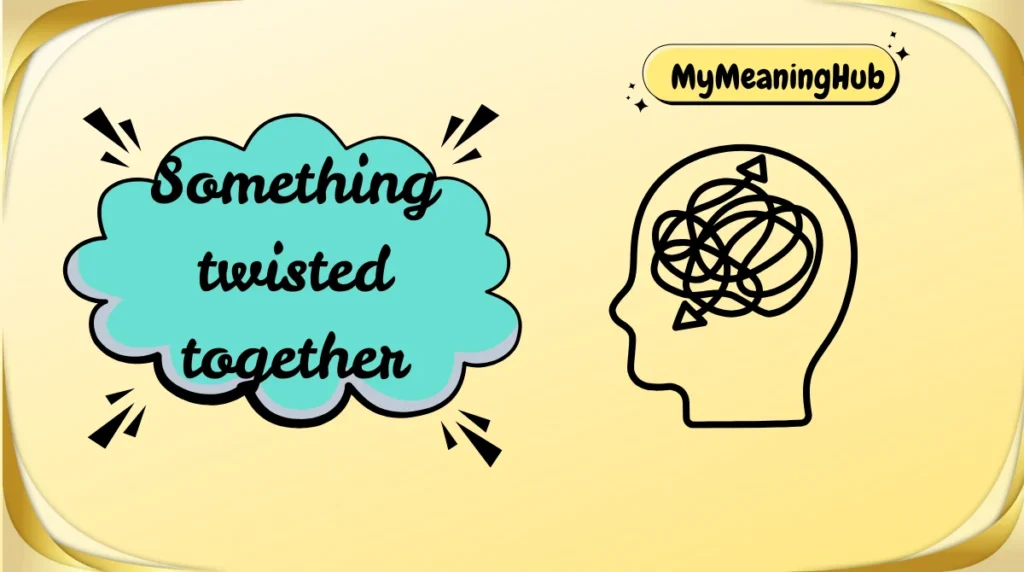
The basic tangle meaning refers to something that is twisted, knotted, or complicated.
Traditional Dictionary Meaning
In its original sense, tangle means:
- Something twisted together
- A confusing or complicated situation
- Hair, wires, or threads that are knotted together
Example:
- “My headphones are in a tangle again.”
However, in texting and online language, the meaning can be broader and sometimes metaphorical.
Modern Chat Meaning
In digital conversations, tangle often refers to:
- A complicated situation
- Emotional confusion
- Drama between people
- Getting involved in conflict
For example:
“I don’t want to get in that tangle between them.”
Here, tangle means a messy or complicated situation between people.
How to Use “Tangle” in Texts or Chat
The tangle meaning in texting usually depends on context. People use it casually to describe complicated situations or emotional confusion.
Common Ways It Appears in Messages
You might see it used when someone talks about:
- Relationship drama
- Social conflicts
- Confusing situations
- Arguments or disputes
Examples:
- “Their friendship is in a total tangle right now.”
- “I got myself in a weird tangle at work today.”
- “Don’t tangle with him, he’s already angry.”
Different Contexts of Use
1. Emotional situations
Example:
“My feelings are in a tangle after that conversation.”
Meaning: Confused or mixed emotions.
2. Social drama
Example:
“I’m staying out of their tangle.”
Meaning: Avoiding conflict between others.
3. Physical confusion
Example:
“My charger wires are tangled again.”
Meaning: Literally twisted.
Examples of “Tangle” in Conversations
Here are some realistic texting and chat examples to show how the word is used.
Example 1: Friend Drama
Friend 1:
“Did you hear about Jake and Liam?”
Friend 2:
“Yeah, their friendship is in a total tangle right now.”
Meaning: Their relationship is complicated.
Example 2: Work Situation
Colleague:
“I accidentally got involved in that office argument.”
Reply:
“Yikes, that sounds like a messy tangle.”
Meaning: A complicated conflict.
Example 3: Relationship Confusion
Text message:
“My emotions are in a complete tangle after that talk.”
Meaning: Feeling emotionally confused.
Example 4: Social Media Comment
Post:
“Family drama again…”
Comment:
“Looks like another holiday tangle.”
Meaning: A complicated family conflict.
Example 5: Funny Usage
Friend:
“I tried to fix my headphones.”
Reply:
“And now they’re in an even bigger tangle 😂”
Meaning: More tangled than before.
Common Mistakes or Misunderstandings
Because the word tangle has multiple meanings, people sometimes misunderstand how it’s used in texting.
Here are a few common mistakes.
1. Thinking It’s Always Literal
Some people assume tangle only refers to physical knots like hair or wires.
But online it often means emotional or social complications.
Example:
Incorrect assumption:
“Are they talking about tangled hair?”
Actual meaning:
“They are describing complicated drama.”
2. Confusing It With “Triangle”
In relationship discussions, people sometimes mix tangle with love triangle.
While both involve complicated relationships, tangle simply means confusion or drama, not necessarily romantic.
3. Using It Too Literally in Chats
In casual texting, people usually use tangle metaphorically.
Example:
Instead of saying:
“My life is complicated.”
Someone might say:
“My life is in a total tangle right now.”
Related Slangs or Abbreviations
If you’re learning modern texting language, here are some slang terms similar to tangle.
1. Drama
Meaning: Conflict or emotional tension.
Example:
“I’m avoiding all that drama.”
2. Mess
Meaning: A chaotic situation.
Example:
“That group chat is a mess.”
3. Situation
Often used for complicated relationships.
Example:
“They’re in a weird situation.”
4. Fiasco
Meaning: A complete disaster.
Example:
“That party turned into a fiasco.”
5. Entangled
A more dramatic version of tangle, often used in relationship drama.
Example:
“They’re emotionally entangled.”
Where You’ll Commonly See the Word “Tangle”
The tangle meaning in online communication appears across many platforms.
Social Media
People often describe complicated situations like:
- Relationship drama
- Family conflicts
- Workplace tension
Example tweet:
“I refuse to get tangled in that office drama.”
Text Messages
Friends frequently use the word casually.
Example:
“I accidentally stepped into their argument. Now I’m in the middle of the tangle.”
Online Forums
Users may discuss complicated problems.
Example:
“This legal situation is a complete tangle.”
Meme Culture
Memes sometimes use tangle humorously to describe chaotic situations.
Example caption:
“Me trying to understand group chat drama: What a tangle.”
Tips for Using “Tangle” Correctly
If you want to use the word tangle naturally in texting, follow these simple tips.
1. Use It for Complicated Situations
Example:
“That conversation turned into a real tangle.”
2. Use It Metaphorically
Instead of describing literal knots, use it for emotions or drama.
Example:
“My thoughts are all tangled.”
3. Keep It Casual
“Tangle” works best in informal chats, texts, or social media posts.
Example:
“I’m not getting tangled in that argument.”
Why Words Like “Tangle” Trend in Online Language
Modern online communication favors simple words with flexible meanings.
“Tangle” works well because it visually describes confusion.
When someone says:
“My life is a tangle.”
You instantly imagine a messy knot of problems.
This makes the word perfect for:
- Social media posts
- Casual texting
- Storytelling
It’s expressive, relatable, and easy to understand.
FAQs About “Tangle Meaning”
1. What does tangle mean in texting?
In texting, tangle means a confusing, messy, or complicated situation, often involving emotions, drama, or conflict.
2. Is tangle slang?
Not exactly. Tangle is a regular English word, but it’s often used informally in online conversations to describe complicated situations.
3. What does “get tangled in drama” mean?
It means getting involved in a complicated conflict or argument.
Example:
“I don’t want to get tangled in their fight.”
4. Can tangle refer to emotions?
Yes. People often say their feelings are tangled when they feel confused or conflicted.
5. What is the difference between tangled and complicated?
Both can mean confusing, but tangled suggests a messy situation that is difficult to sort out.
6. Is tangle used in social media?
Yes. The word frequently appears in tweets, comments, captions, and online discussions.
7. Can tangle refer to relationships?
Yes. It can describe relationship drama or emotional confusion between people.
8. What are similar words to tangle?
Similar terms include:
- mess
- drama
- conflict
- complication
- entanglement
Conclusion
The tangle meaning in texting and online communication goes far beyond its simple dictionary definition.
While it originally referred to knots or twisted objects, modern usage often describes complicated emotional or social situations.
In chats, social media posts, and everyday conversations, people use tangle to talk about:
- Relationship drama
- Confusing emotions
- Social conflicts
- Messy situations
Understanding words like tangle helps you better navigate modern digital communication and avoid misunderstandings.
As internet language continues to evolve, learning these subtle meanings can make you more confident in online conversations.
Updated for 2026, this guide reflects how the word is commonly used across texting, social media, and online discussions.